The Importance of Practicing Firearm Safety

Handling firearms is a serious responsibility. Whether you are a law enforcement professional or a responsible gun owner, safety must always come first. I have seen firsthand how proper training and strict adherence to safety rules prevent accidents and save lives. This post will cover essential firearm safety practices that every shooter should know and follow. These practices are simple but critical. They protect you, those around you, and your community.
Why Essential Firearm Safety Practices Matter
Firearms are powerful tools. They require respect and care. Without proper safety, accidents happen. These accidents can cause injury or death. I have trained many students who initially underestimated the importance of safety. After learning and practicing the basics, they understood how crucial it is.
Here are some reasons why essential firearm safety practices matter:
Preventing Accidents: Most firearm accidents happen because of negligence or lack of knowledge.
Building Confidence: Knowing safety rules helps you handle guns confidently and responsibly.
Legal Compliance: Following safety practices keeps you within the law.
Protecting Others: Safety protects your family, friends, and the public.
Improving Skills: Safe handling allows you to focus on improving your shooting skills.
Always remember, safety is not optional. It is the foundation of all firearm training and use.

Key Essential Firearm Safety Practices to Follow
I teach these essential firearm safety practices in every class. They are straightforward and easy to remember. Follow these rules every time you handle a gun:
Treat Every Firearm as if it is Loaded
Never assume a gun is unloaded. Always check it yourself. This mindset prevents careless mistakes.
Keep Your Finger Off the Trigger Until Ready to Shoot
Rest your finger outside the trigger guard until you have identified your target and are ready to fire.
Always Point the Muzzle in a Safe Direction
Never point a gun at anything you do not intend to shoot. This reduces the risk of injury if the gun discharges accidentally.
Be Sure of Your Target and What is Beyond It
Know what you are shooting at and what lies behind it. Bullets can travel far and cause unintended damage.
Store Firearms Securely
Use gun safes or lockboxes to prevent unauthorized access. This is especially important if children are in the home.
Use the Correct Ammunition
Using the wrong ammo can cause malfunctions or damage to the firearm.
Wear Proper Safety Gear
Always wear eye and ear protection when shooting.
Maintain Your Firearm Regularly
Clean and inspect your gun to ensure it functions safely and reliably.
By following these practices, you reduce risks and improve your shooting experience.
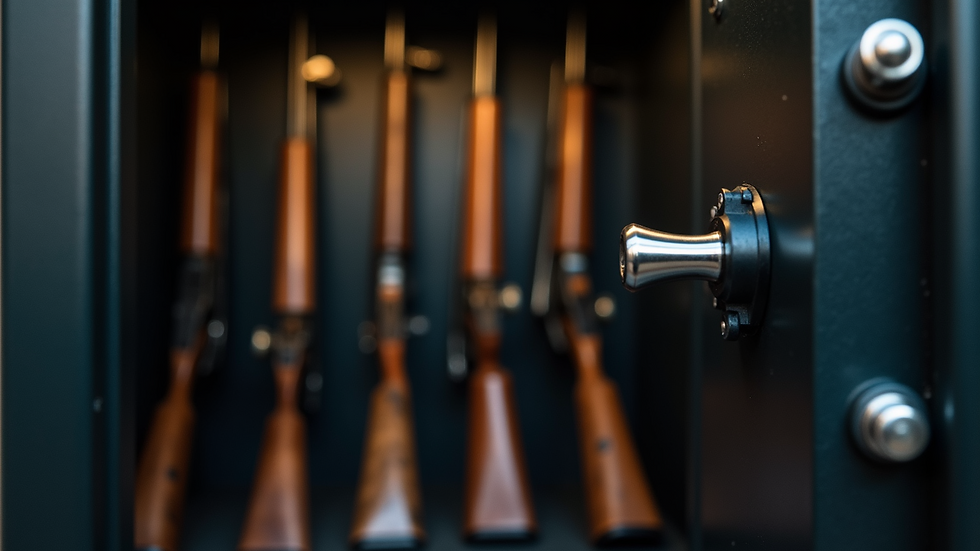
What is the new gun safe law in California?
California recently passed a law requiring gun owners to store their firearms in a locked container or use a safety device when not in use. This law aims to reduce accidental shootings and unauthorized access, especially by children. It applies to all firearms, including handguns and long guns.
The law requires:
Firearms must be stored in a locked container or equipped with a locking device.
Gun owners must ensure that unauthorized persons cannot access their firearms.
Violations can result in fines or criminal charges.
This law highlights the importance of secure firearm storage. It is a reminder that safety does not end when you put your gun away. Proper storage is a critical part of responsible gun ownership.
If you live in California or any state with similar laws, make sure you understand and comply with these requirements. Secure storage protects your family and community.

How Training Enhances Firearm Safety
Training is the best way to learn and practice essential firearm safety practices. I have seen how proper training changes attitudes and habits. It builds muscle memory and confidence. Training covers:
Safe handling techniques
Proper shooting stance and grip
Reloading and clearing malfunctions
Tactical scenarios and decision-making
Legal responsibilities and use of force
Training is not just for beginners. Advanced shooters benefit from ongoing practice and new skills. Tactical training prepares you for real-life situations where safety and quick thinking are vital.
I recommend taking courses from certified instructors. Practice regularly. Never stop learning. This commitment to training is the best way to ensure safety.
For those interested, I offer comprehensive courses that cover both basic and advanced skills. You can learn more about our firearm safety training programs and pricing on our website.
Practical Tips for Everyday Firearm Safety
Safety is a daily habit. Here are some practical tips to keep in mind:
Always double-check your firearm before handling.
Confirm it is unloaded if you are not shooting.
Never leave a loaded gun unattended.
Always secure it immediately after use.
Communicate safety rules with family and friends.
Make sure everyone understands the importance of firearm safety.
Use trigger locks or cable locks as an extra safety measure.
These devices add a layer of protection.
Keep ammunition stored separately from firearms.
This reduces the risk of accidental discharge.
Avoid alcohol or drugs when handling firearms.
Impairment increases the risk of accidents.
Practice situational awareness.
Be aware of your surroundings and potential hazards.
By following these tips, you create a safer environment for yourself and others.
Staying Committed to Safety Every Time
Firearm safety is not a one-time lesson. It is a lifelong commitment. Every time you pick up a gun, you must follow the rules. This discipline protects lives and preserves your right to own and use firearms.
I encourage you to:
Review safety rules regularly.
Attend refresher courses.
Share your knowledge with others.
Stay informed about laws and best practices.
Safety is the foundation of all firearm training and use. Without it, skills and tactics mean nothing.
Remember, responsible gun ownership means putting safety first. Make essential firearm safety practices your top priority.
By focusing on these essential firearm safety practices, you ensure that you and those around you stay safe. Training, secure storage, and daily habits all play a role. Take the time to learn, practice, and commit to safety every day. Your life and the lives of others depend on it.


Ongoing firearm training is essential for responsible ownership. Continuous education, community involvement, and refresher courses help shooters stay safe, skilled, and informed.